| 1 |
Wednesday, November 4, 2026 |
Budapest, Hungary |
Embark |
5 pm |

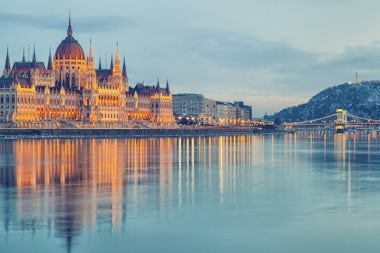
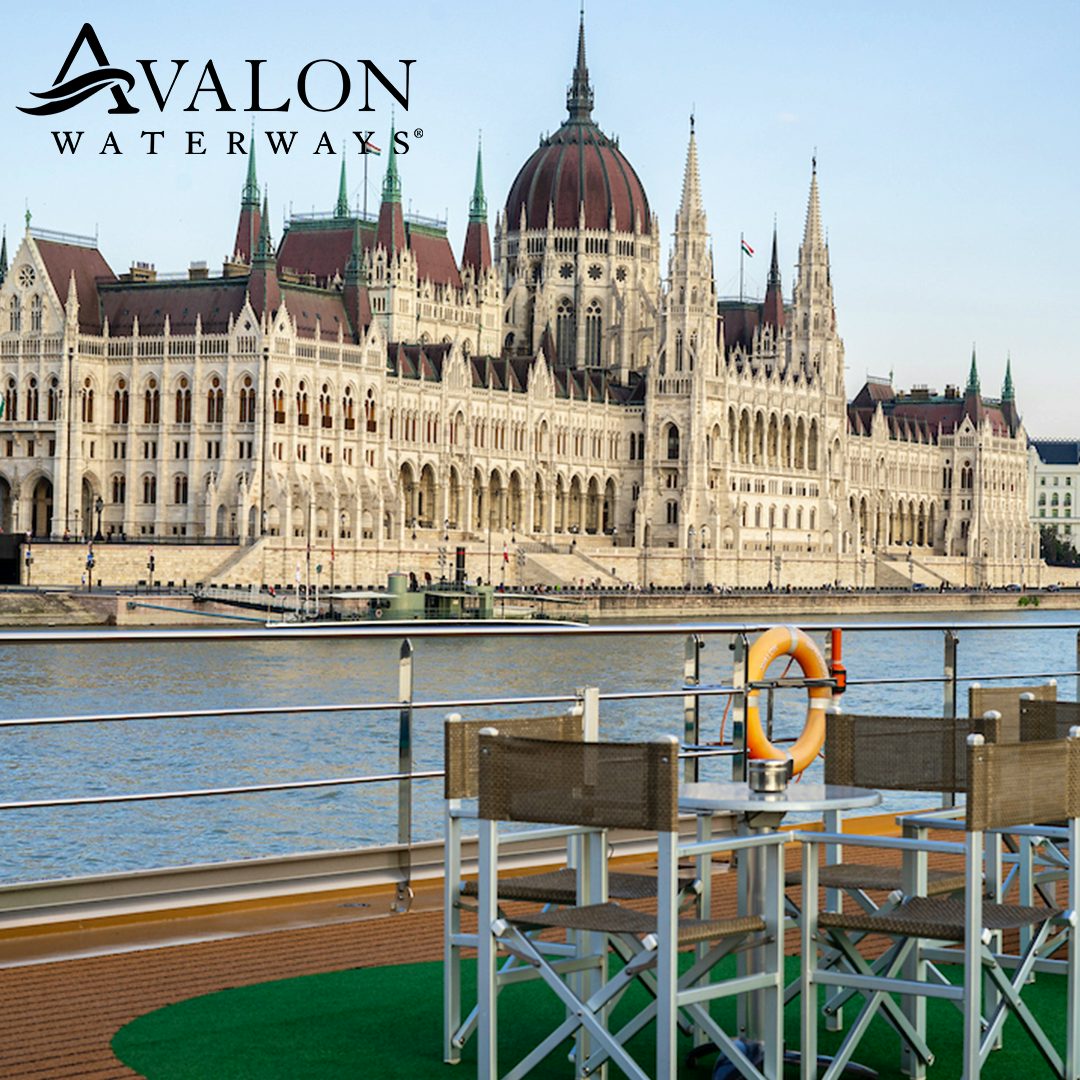
Budapest is the capital and largest city of Hungary, situated on both banks of the river Danube, with its 346 river cruise ships (2019). Originally with the cities of Buda on the west bank and Pest on the east bank, it became a single city with their unification in 1873. The city’s rich and colourful history, its extensive World Heritage Site including the Danube River banks, the Buda Castle Quarter, Andrássy Avenue, and the Millennium Underground Railway, have resulted in its becoming an important tourist centre in Central Europe. Read more about Budapest, Hungary
|
| 2 |
Thursday, November 5, 2026 |
Vienna, Austria |
|
|
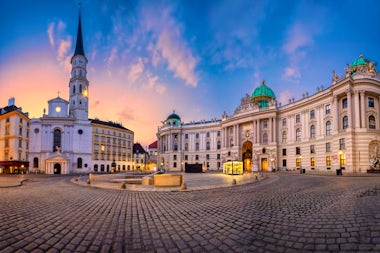
Vienna, Austria's capital city, has a population of around two million and is located to the east of the Alps in the Vienna Basin. Architectural styles range from classic to modern, and include some of the world’s best known examples of Art Nouveau. Fascinating features are the few high-rise buildings, and numerous parks and gardens, with many statues of famous people such as Mozart and Strauss. Read more about Vienna, Austria
|
| 3 |
Friday, November 6, 2026 |
Vienna, Austria |
|
|
Vienna, Austria's capital city, has a population of around two million and is located to the east of the Alps in the Vienna Basin. Architectural styles range from classic to modern, and include some of the world’s best known examples of Art Nouveau. Fascinating features are the few high-rise buildings, and numerous parks and gardens, with many statues of famous people such as Mozart and Strauss. Read more about Vienna, Austria
|
| 4 |
Saturday, November 7, 2026 |
Durnstein, Austria |
|
|
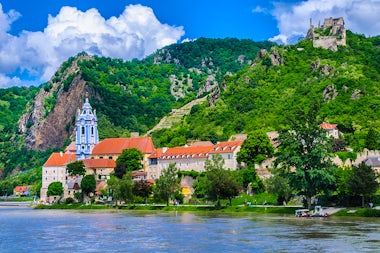
Durnstein, a hamlet and much visited tourist destination, lies nestled within Austria’s vineyard-rich Wachau Valley 80 km west of Vienna. Crowned by the ruins of a castle fortress, the cobblestone streets, the baroque monastery, the 15th century Parish Church (with one of the finest Baroque towers in Austria), the old burgher and townhouses dating back from the 16th and 18th C, and visitors feel they are strolling through history. Wander along the banks of the Danube where small shops invite you to buy, with virtually every shop offering free samples of brandy, liqueur, or schnapps. Read more about Durnstein, Austria
|
| 5 |
Sunday, November 8, 2026 |
Passau, Germany |
|
|
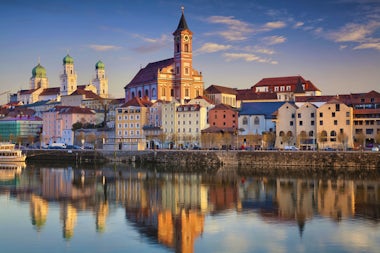
Passau is a town in Lower Bavaria, Germany, at the junction of three Rivers: the Danube, the Inn from the South, and the Ilz coming out of the Bavarian Forest to the North. During the Renaissance and early modern period it became one of the most prolific centres of sword and bladed weapon manufacture in Germany. Today it is notable for its gothic and baroque architecture. Read more about Passau, Germany
|
| 6 |
Monday, November 9, 2026 |
Regensburg, Germany |
|
|
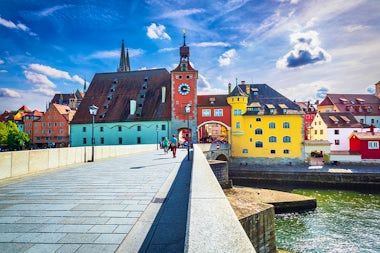
Regensburg is a city in Bavaria, Germany, situated at the junction of the Danube and Regen rivers. The large medieval centre of the city is a UNESCO World Heritage Site. Home to two thousand years of living history with some of Europe's most important architectural and cultural monuments, plus fascinating museums and art collections, make this an attractive place to spend some time. Read more about Regensburg, Germany
|
| 7 |
Tuesday, November 10, 2026 |
Nuremberg, Germany |
|
|
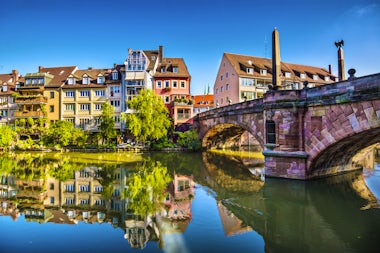
Nuremberg, is a city in the German state of Bavaria, situated on the Pegnitz River and the Rhine-Main-Danube Canal. In the Middle Ages the city expanded and increased in importance due to its location on a key trade route from Italy to Northern Europe. Nuremberg held great significance during the Nazi Germany era, as the site of huge Nazi Party conventions, and an important site for military production, including airplanes, submarines and tanks. Read more about Nuremberg, Germany
|
| 8 |
Wednesday, November 11, 2026 |
Nuremberg, Germany |
|
|
Nuremberg, is a city in the German state of Bavaria, situated on the Pegnitz River and the Rhine-Main-Danube Canal. In the Middle Ages the city expanded and increased in importance due to its location on a key trade route from Italy to Northern Europe. Nuremberg held great significance during the Nazi Germany era, as the site of huge Nazi Party conventions, and an important site for military production, including airplanes, submarines and tanks. Read more about Nuremberg, Germany
|
| 9 |
Thursday, November 12, 2026 |
Bamberg, Germany |
|
|
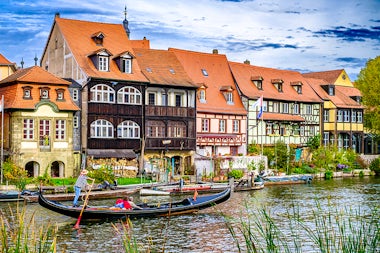
Bamberg is a town in Bavaria, Germany, located in Upper Franconia at the junction of the Regnitz and Main rivers. It is a disarmingly beautiful architectural masterpiece with an almost complete absence of modern eyesores. The town extends over seven hills, each crowned by a beautiful church, which has led to Bamberg being called the ‘Franconian Rome’. Read more about Bamberg, Germany
|
| 10 |
Friday, November 13, 2026 |
Wurzburg, Germany |
|
|
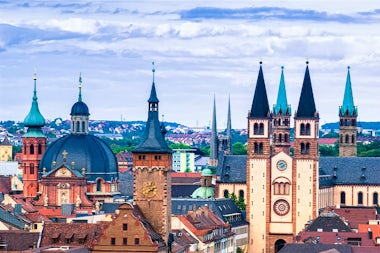
Wurzburg, aka Wuerzburg, is a city on the Main River at the northern tip of Bavaria, Germany. It is rich in history with evidence of a Celtic fortification having been built there back in 1000 BC. The city was severely bombed during WWll and the city centre, dating back to medieval times, was totally destroyed. Read more about Wurzburg, Germany
|
| 11 |
Saturday, November 14, 2026 |
Miltenberg, Germany |
|
|
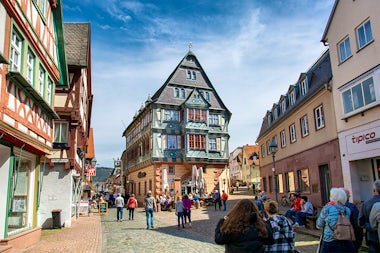
Miltenberg is a city in Bavaria, Germany, strategically located on the Main River between the Spessart and Odenwald ranges. The Old Town lies on a narrow strip of land on the northern bank, but was frequently flooded so the city expanded southwards across the river. From the years 83 to 260, the Romans built a remarkable line of frontier forts that divided the Roman Empire and the unsubdued Germanic tribes. Read more about Miltenberg, Germany
|
| 12 |
Sunday, November 15, 2026 |
Frankfurt, Germany |
|
|
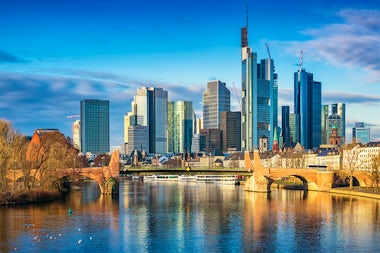
Frankfurt - aka Frankfurt am Main - is the fifth-largest city in Germany, and is at the centre of the larger Frankfurt Rhine Main Region. It has been a dynamic and international financial centre for centuries, and has the most imposing skyline in Germany. This is the image that many visitors associate with the Main metropolis. Read more about Frankfurt, Germany
|
| 13 |
Monday, November 16, 2026 |
Boppard, Germany |
|
|
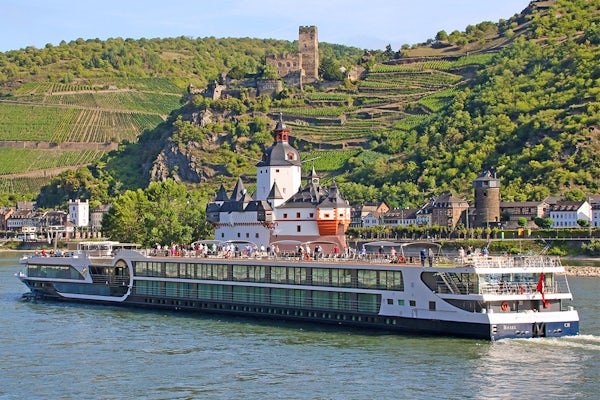
Boppard is a town in the Rhein-Hunsrück district of Germany, situated on the west bank of the Rhine, 25 km south of Koblenz. It belongs to a part of the Rhineland that is famous for its more than 2000 years of cultural history. Hence it is home to numerous castles and stately homes, churches and monasteries, gardens and parks, as well as the genius of past composers and inventors. Read more about Boppard, Germany
|
| 14 |
Tuesday, November 17, 2026 |
Strasbourg, France |
|
|
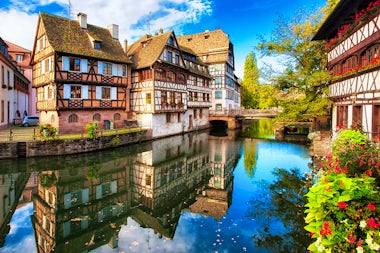
Strasbourg, France’s great north-eastern metropolis and the intellectual and cultural capital of Alsace, is the ultimate European city. It has flavours of both France and Germany, and sits astride the border of the two countries. Today the residents have mixed feelings about their ‘Frenchness’ or ‘Germanness’, with many agreeing they are not either French or German, but a bit of both. Read more about Strasbourg, France
|
| 15 |
Wednesday, November 18, 2026 |
Breisach, Germany |
|
|
The German town of Breisach is situated along the Rhine River on the French and German border, about halfway between Freiburg and Colma. During WWII 85% of Breisach was destroyed and the early 13th century cathedral of St Stephansmünster was heavily damaged. Fortunately it is a great place to visit as it has since been restored with many of its remarkable features still intact. Read more about Breisach, Germany
|
| 16 |
Thursday, November 19, 2026 |
Basel, Switzerland |
10 am |
Disembark |
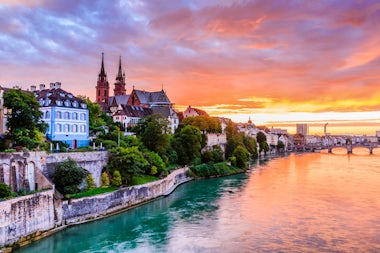
Basel on the river Rhine is Switzerland's third most populous city, and located where the Swiss, French and German borders meet. Indeed, the river cruise ships berth within a stone’s throw of the triple intersection. It has suburbs in France and Germany, and interestingly the language spoken is called Basel German. Read more about Basel, Switzerland
|